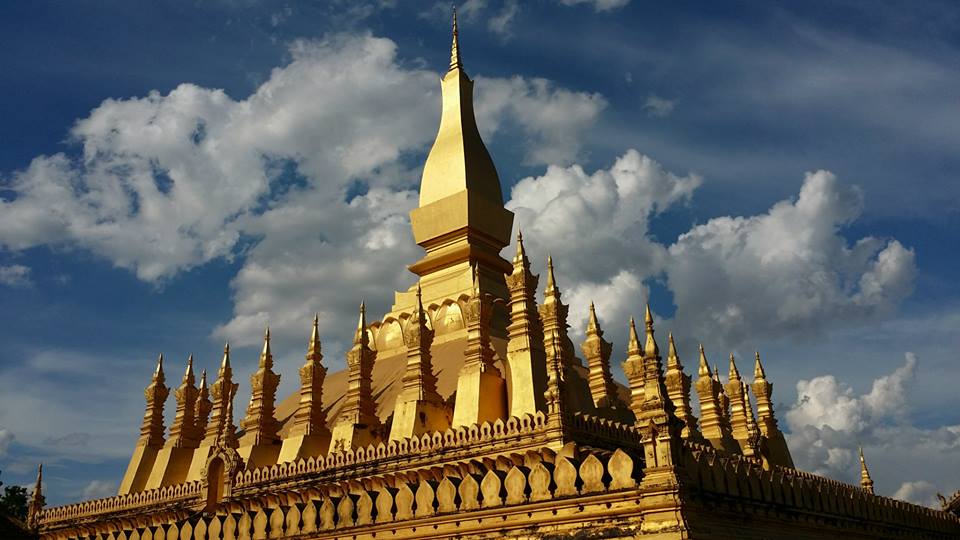
Week 71 · Vientiane, Laos · May 2015
Laos —
Was able to start the week on a good note — a couple of hours at the BMW driving experience on Sunday. Modelled after the programme in South Carolina, except instead of a week's commitment (and serious money) I had about an hour on the test track in an M5 for $65. No pictures allowed. Afterward was told I should have been able to get to 160mph. Now I have a goal.
Attended a work conference in Vientiane, Laos. For those that travel for business, they know how these things work — you are in a hotel and effectively could be anywhere, as you are in meetings and presentations all day for most of the time, and you may be able to carve out a couple of hours while you are there and hopefully get a dinner out of the hotel that is not in a 100% western restaurant. That is how this trip worked out.
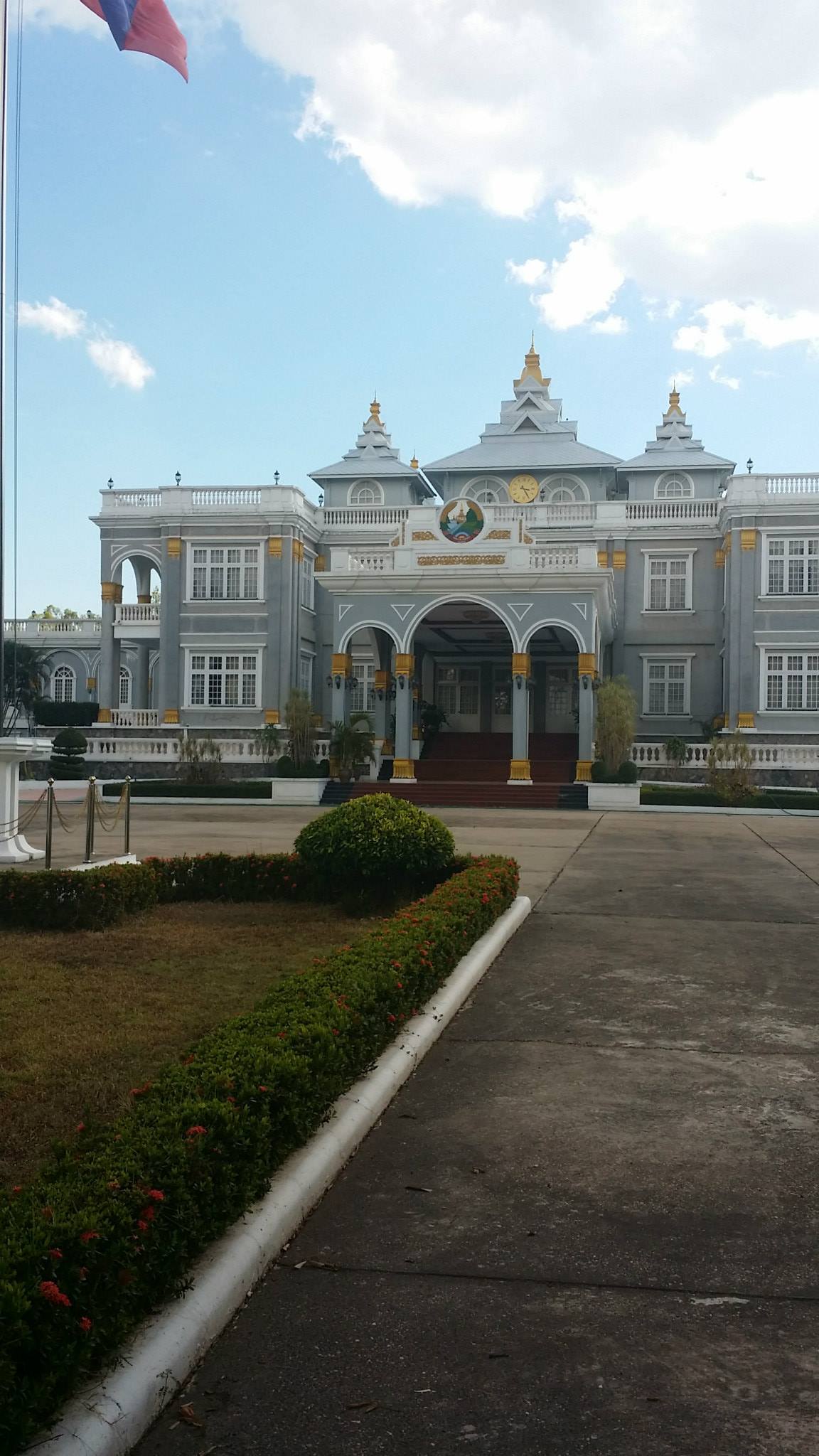
A little background — Laos is still 100% communist, adjacent to Vietnam, home of the Ho Chi Minh trail (which is why the USA dropped more bombs in Laos during the Vietnam War than in Germany in WWII), and economically stunted. Little to no English spoken. Originally a French colonial territory, the architecture is more French than Asian for everything but the temples. The conference was in Laos because they offered the conference organiser a good deal, but the focus was elsewhere in Southeast Asia. I was a little worried about anti-US feelings and had my Australian accent and backstory ready (I am from Brisbane, mate), but no issues.
Laos is the most heavily bombed country per capita in history. Between 1964 and 1973, the US Air Force dropped more than 2 million tons of ordnance on Laos during the covert "Secret War" — more than was dropped on Germany and Japan combined in all of World War II. An estimated 30% of the bombs failed to detonate, and over 50,000 people have been killed or injured by unexploded ordnance since the war ended. The Patuxai monument visible in these photos was built in the 1960s using US-supplied concrete intended for a new airport runway — Laotians sometimes call it "the vertical runway." Laos remains a one-party communist state governed by the Lao People's Revolutionary Party.
I had about 2 hours for touring when I arrived, got a cab and paid $13 for the trip to the tourist sites — only took an hour and a half. Reminded me more of India than Thailand or Vietnam, just with much lower population density — it had the shanty towns like Mumbai, just much smaller. The tourists were in 2 groups — backpackers (most Australian) or wealthy (private luxury car and wearing sport jackets). I was somewhere in between. Before I left, was able to rent a bike from the hotel and got another couple of hours riding through town.


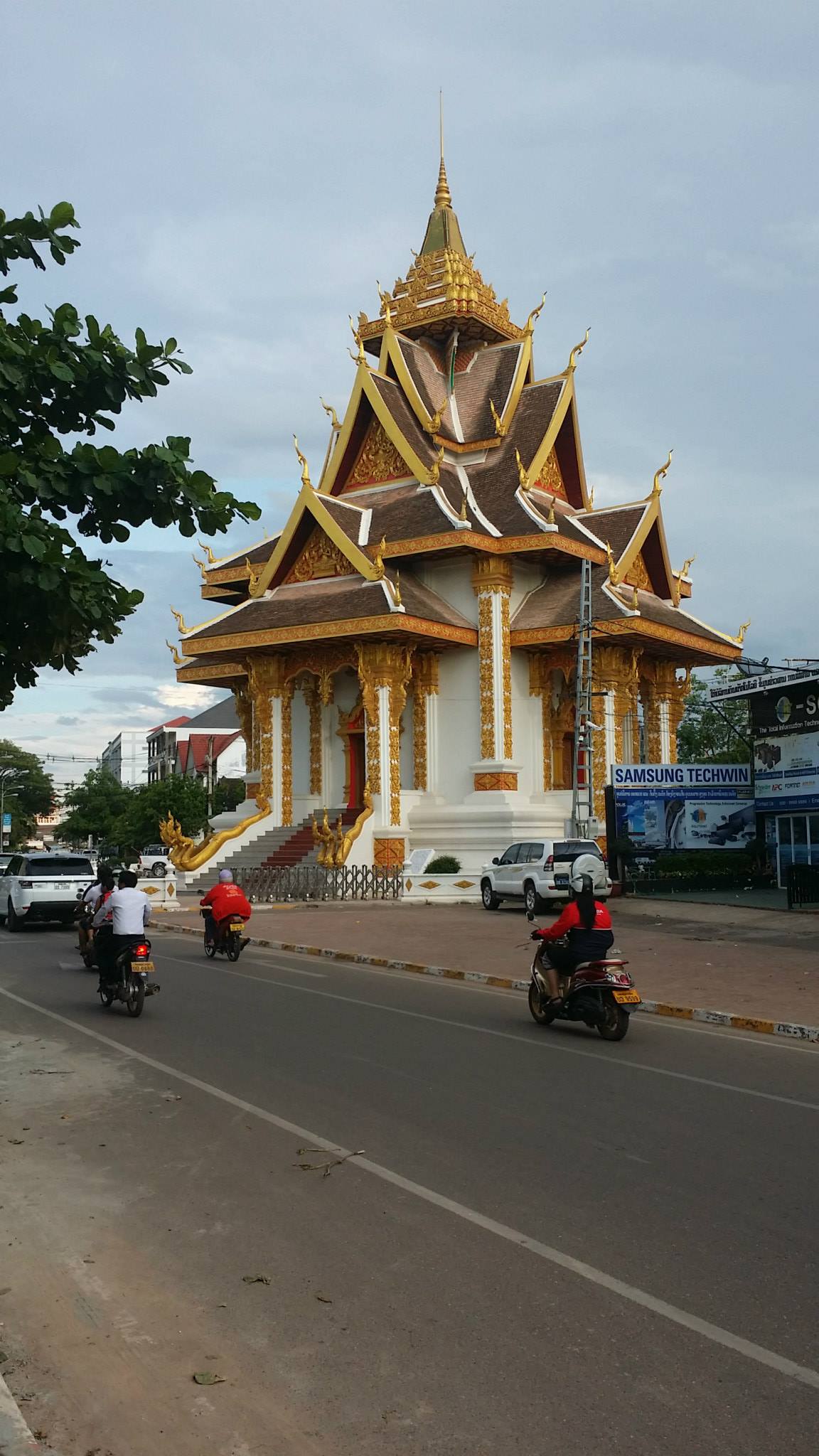
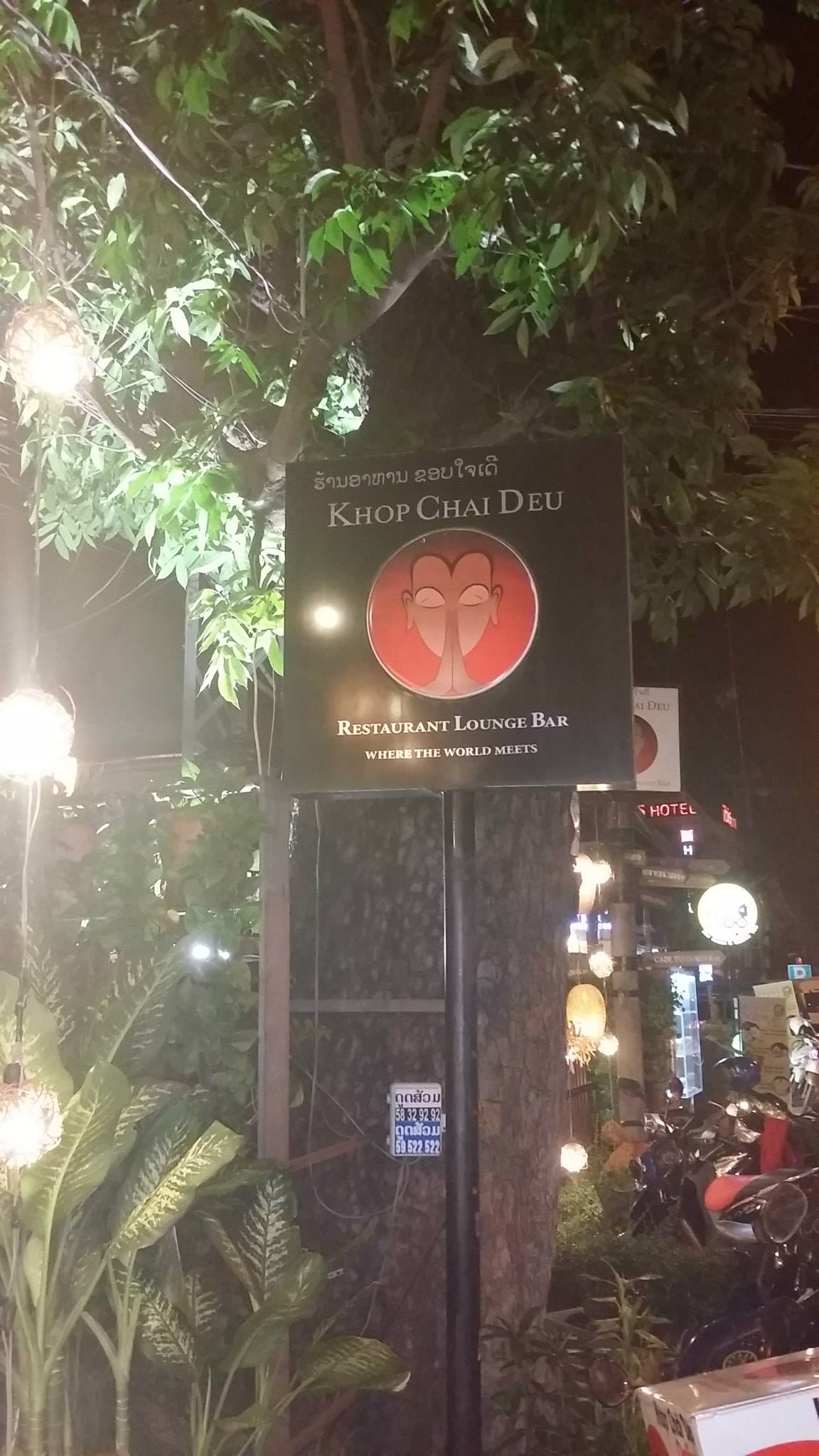

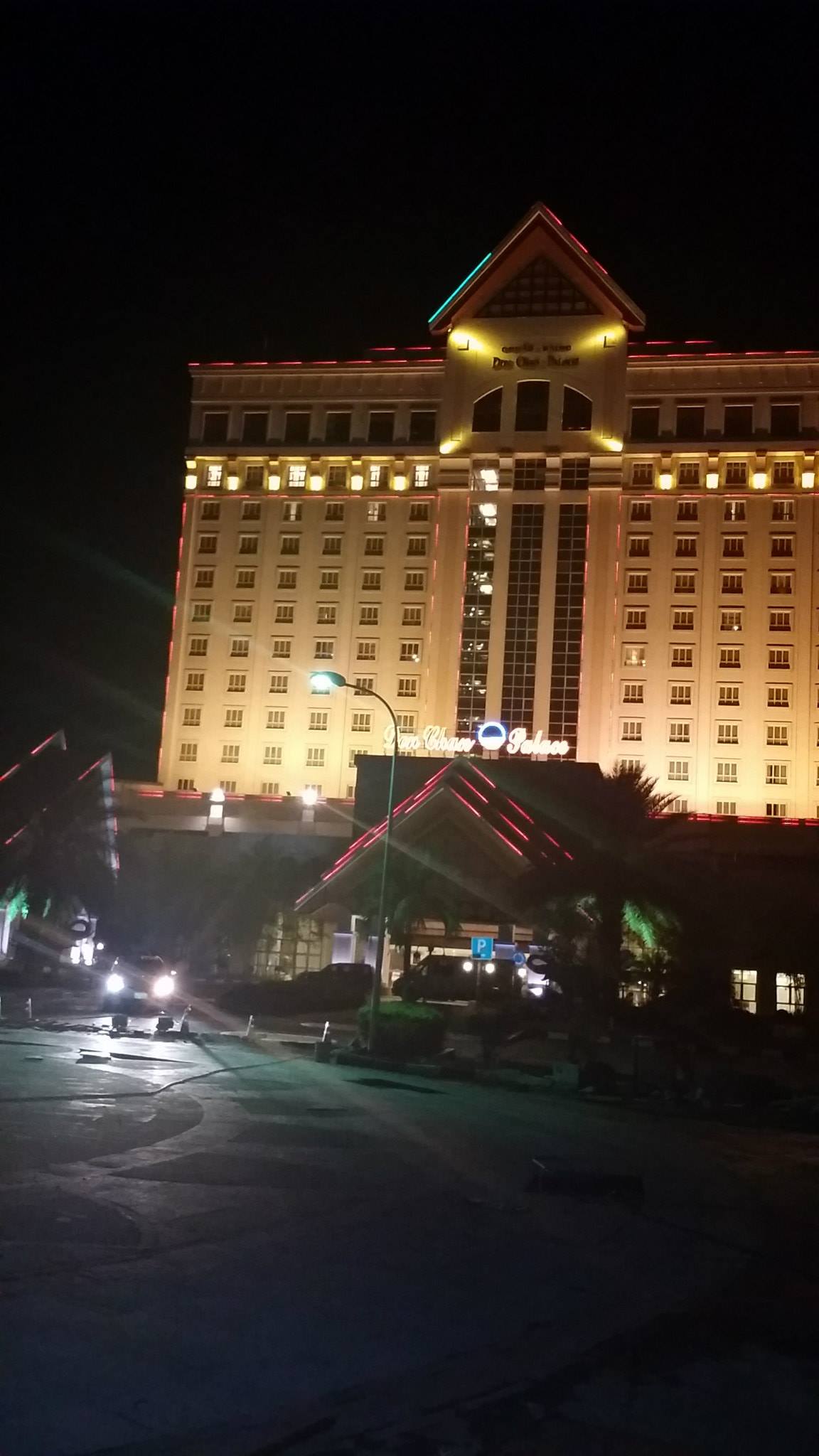


"A Chinese developer came into town, applied for a 5-story building permit, and just kept going."


BeerLao is brewed by the Lao Brewery Company in Vientiane and is the dominant beer brand in Laos, with roughly 95% domestic market share. Originally established with French technical assistance in 1973, the brewery was nationalised after the communist takeover in 1975. It is widely considered one of the better lagers in Southeast Asia and is exported to over 30 countries. The fact that a centrally planned communist economy produced one of the region's most enjoyed beers is — as noted above — one of Laos's more endearing contradictions.
Week ended on a high note — after the double red-eye (overnight flights 2 nights in a row with meetings back in Seoul in between) got to see Alex in L.A. and now off to see Annelise's graduation.